
Project Description:
Phibro Israel, a manufacturer of vaccines, medicines, and nutritional supplements for animals, asked to upgrade an existing, operating aseptic production system.
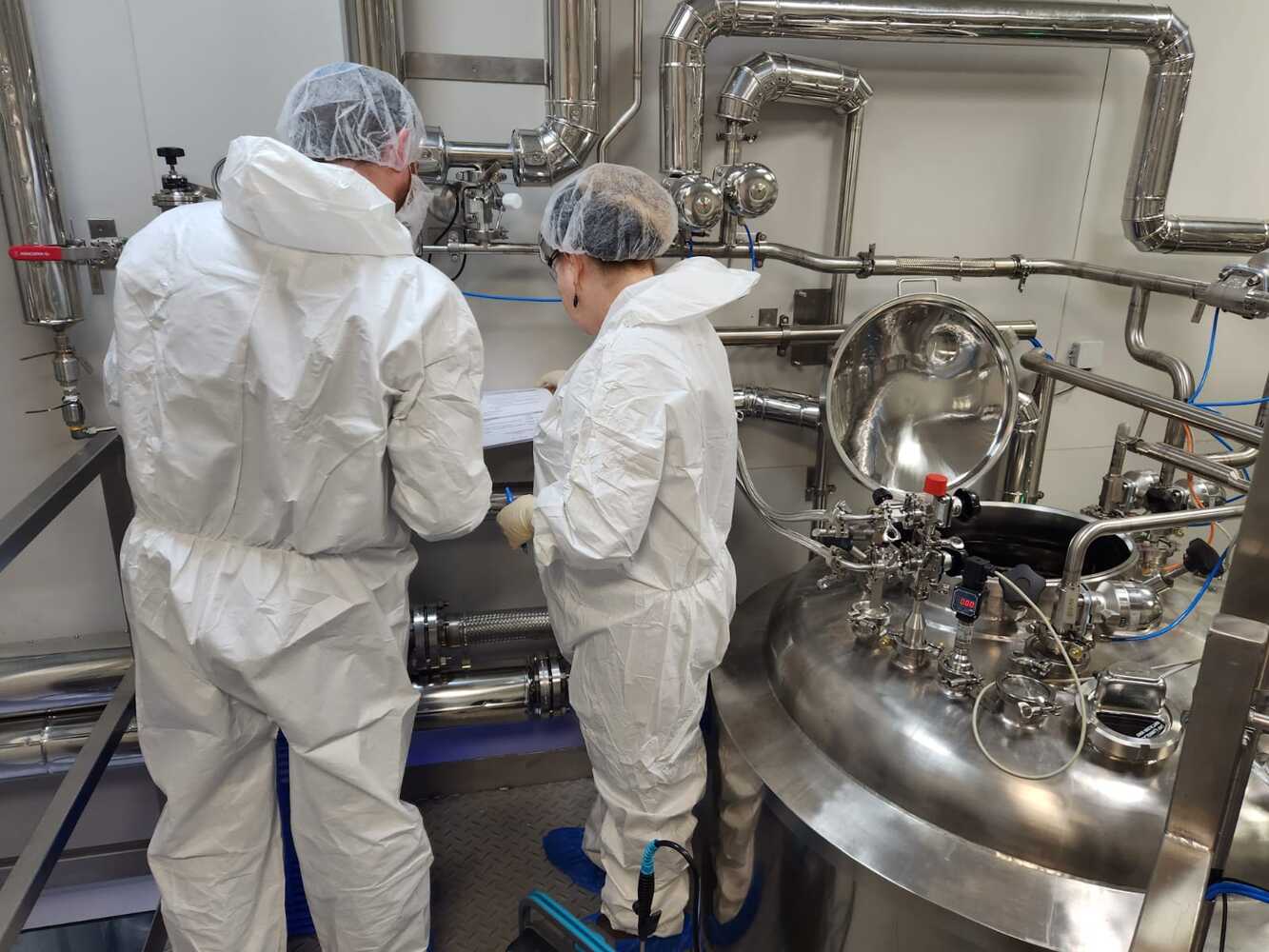
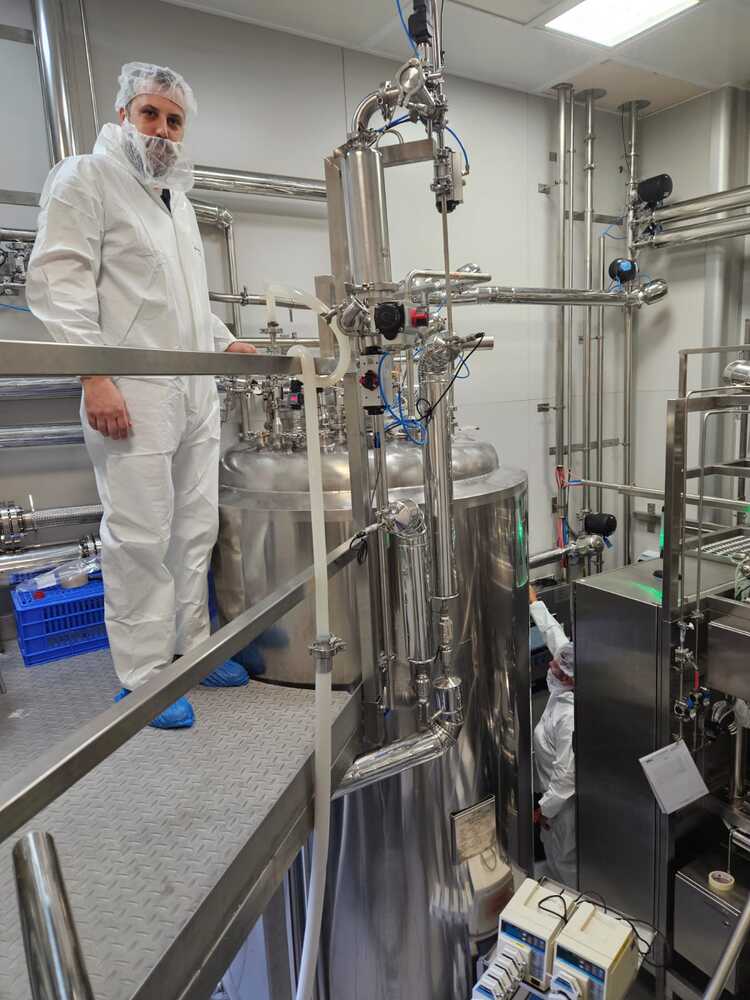
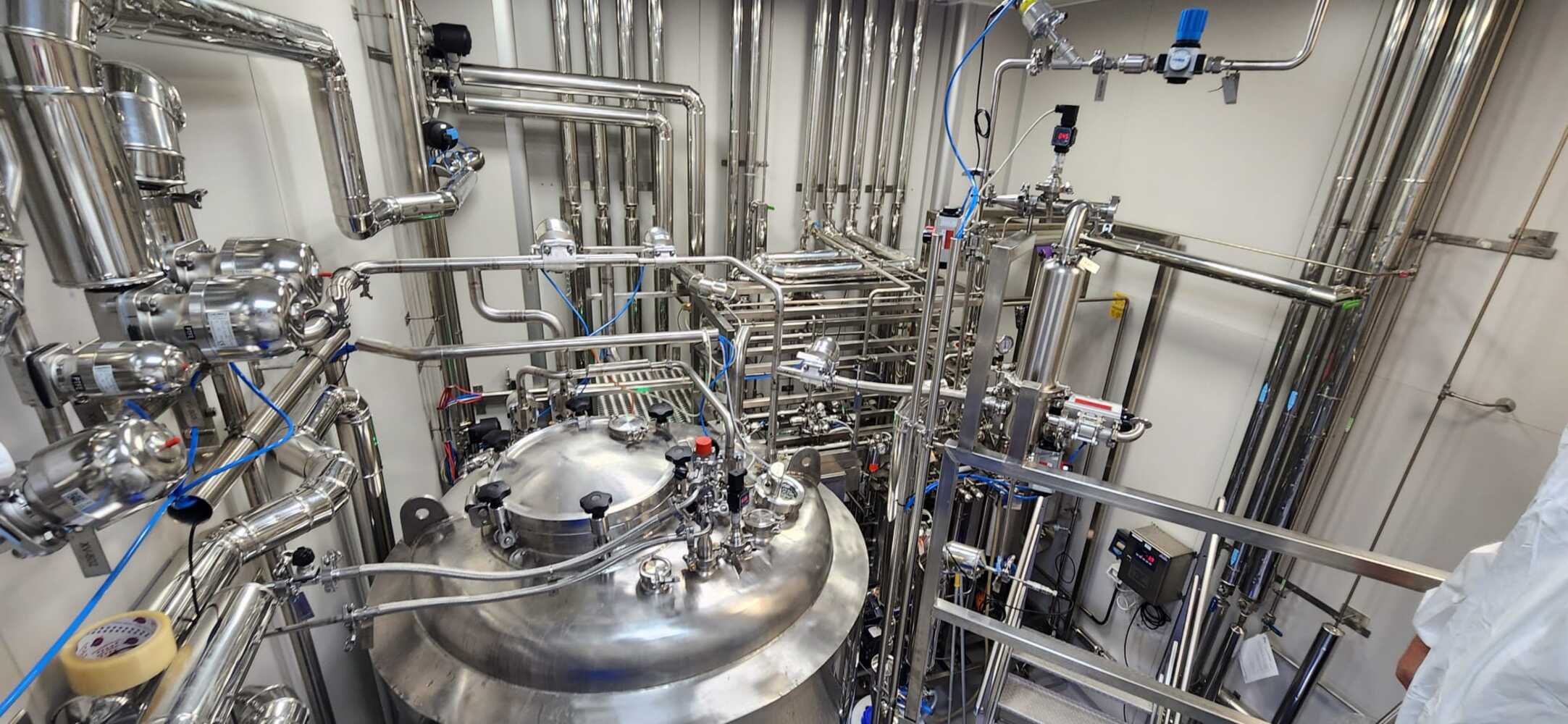
The project involved replacing a 1,000-liter process vessel, which relied on manual work procedures and had limited control and monitoring capabilities, with a 2,000-liter process vessel featuring full automation and control, and connecting the new vessel to the plant's existing, complex production line.
The work had to be carried out in active sterile rooms, with minimal disruption to the plant's ongoing operations and production line, and in compliance with GMP standards.
In a project of this type, early, meticulous planning and flawless execution of the preparations are the key to success.
- We began by preparing a requirements specification (URS) according to standard 412-28.
- Together with all of the client's departments, we conducted a risk assessment of the planned changes, and prepared a report, in line with all quality requirements, of the risk-reduction actions to be implemented during the detailed design stage.
- We prepared PFD and P&ID flow diagrams for the new system.
- We performed a 3D scan of the production system and the technical floor, and prepared a 3D simulation of the full system, spread across two working floors and a crowded technical gallery in an operating production room in a GMP environment.
- Design documents (FS, SDS, HDS) were prepared and approved by the client.
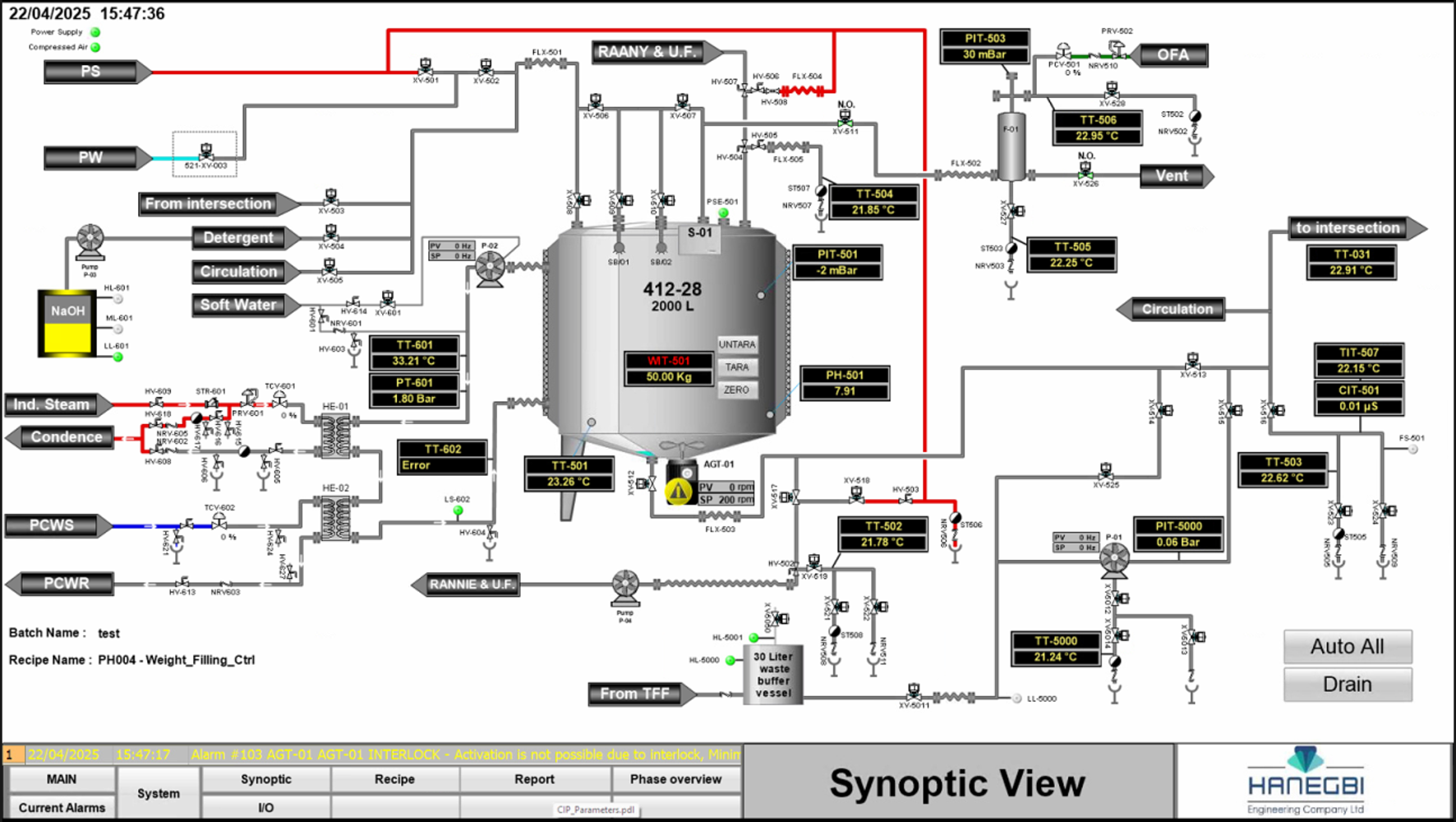
- We defined all the automated steps implemented in the control system in order to convert the manual process into a fully automated one.
The design process, like the entire project, was carried out entirely by Hanegbi Engineering's engineers, in close cooperation and through a series of coordination meetings and approvals with the plant's engineering team.
Project Scope:
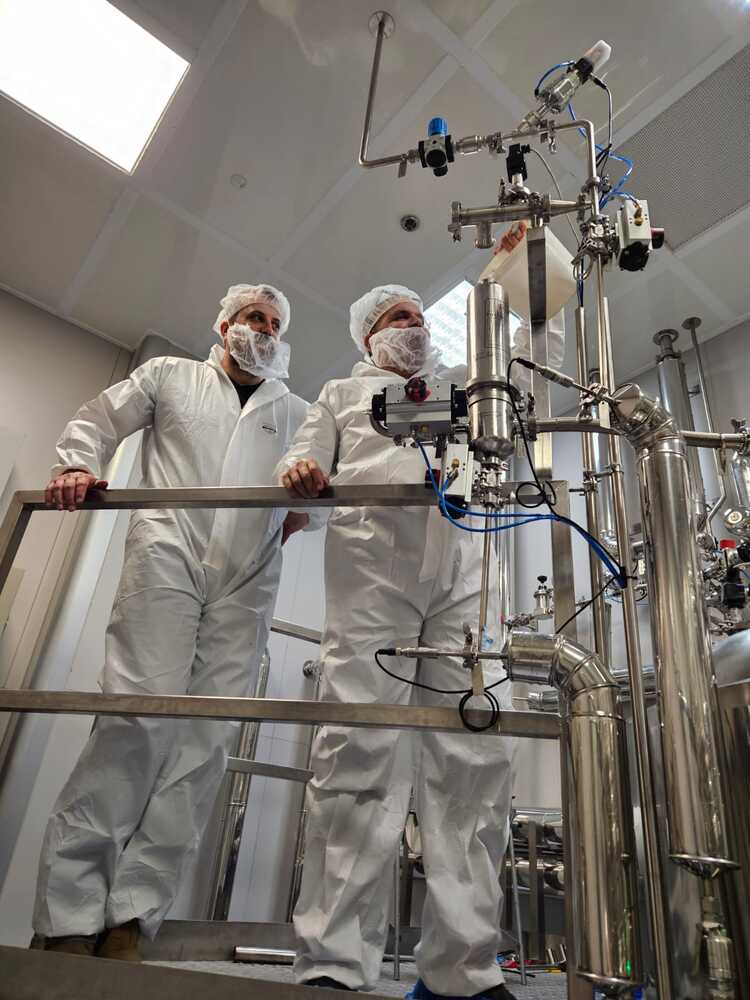
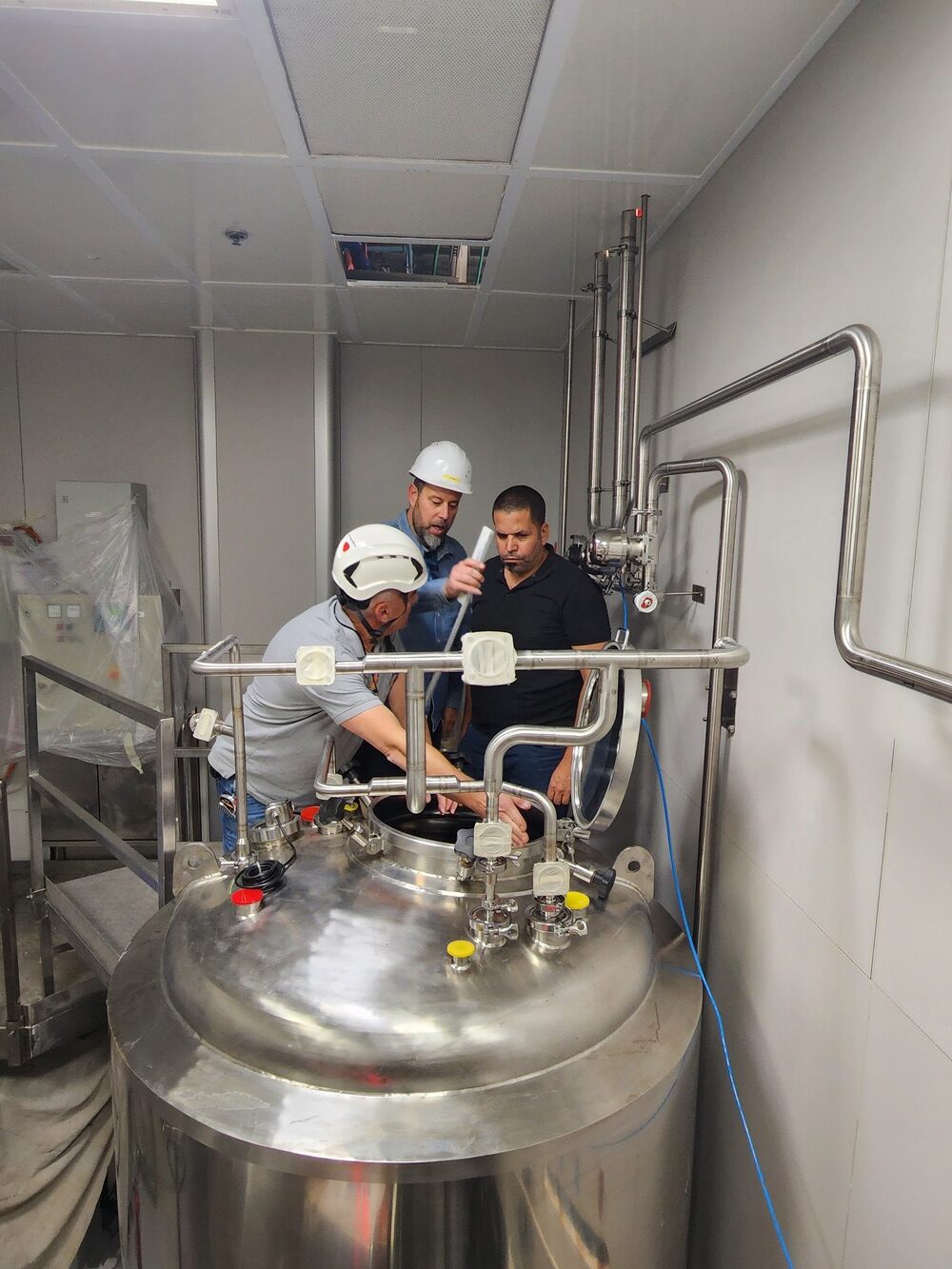
Production design and installation of a 2,000-liter aseptic process vessel, with full integration into the existing equipment.
- Automated vessel with full recipes for the following processes:
- Full temperature and pressure control
- Inactivation (kill)
- Sterilization (SIP)
- Cleaning (CIP)
- Concentration and separation
- Leak test
- Aseptic discharge in the Grade D room, with an automatic steam barrier
- Filter integrity testing
- Full summary reports for each process, with representative graphs, in accordance with GMP requirements
- End-to-end validation preparation and execution (IQ / OQ / PQ). The validation included, among others, the following tests:
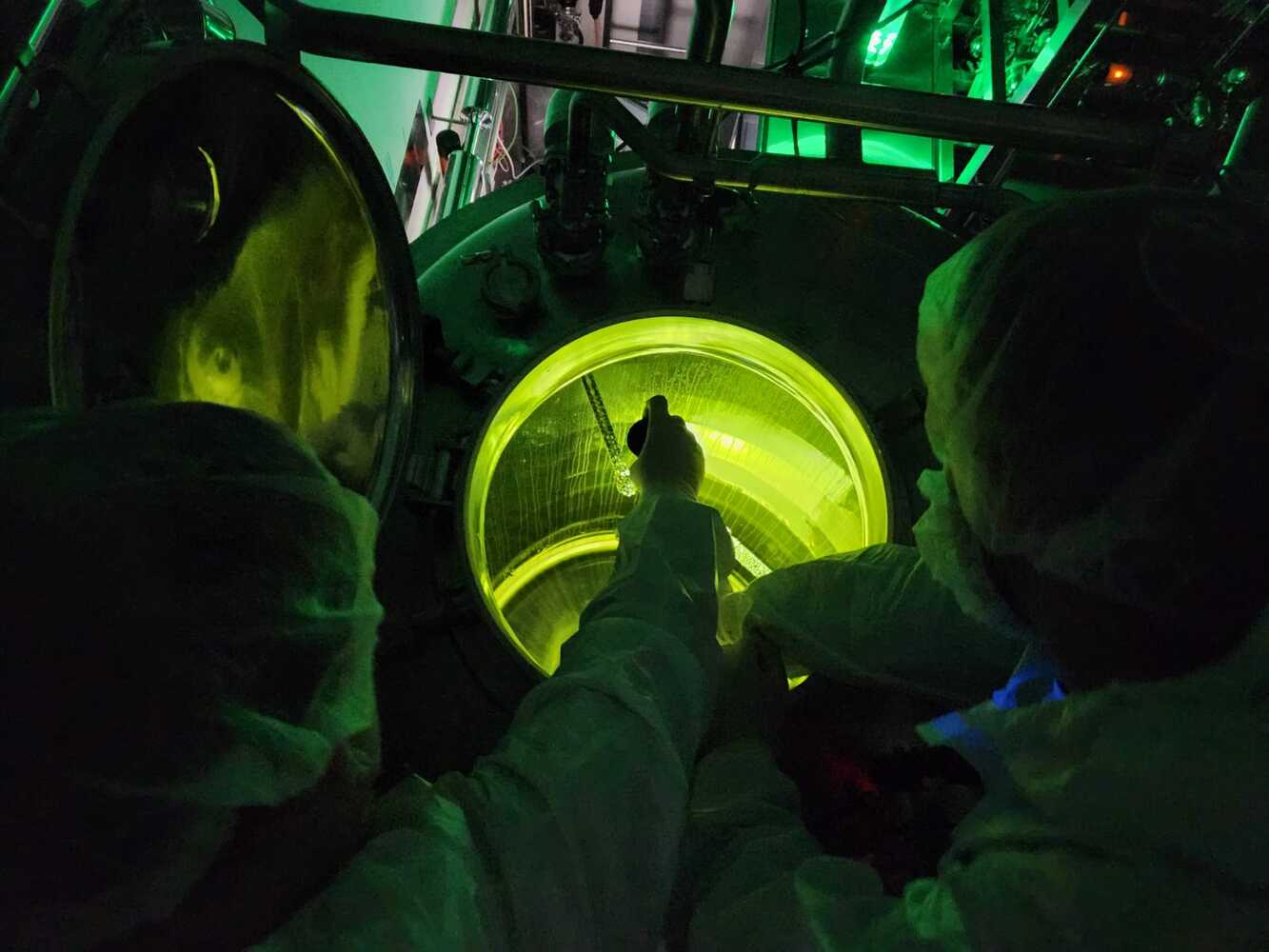
- Riboflavin coverage test for the cleaning process
- Sterilization process validation using biological indicators at all cold spots
- Project completed on schedule and within budget, with minimal disruption to the plant's ongoing production.
A successful project requires good partners, and I would like to thank Omer Binyamini, engineer and project manager, and David Rakach, plant engineer, as well as Phibro's management, for close partnership, uncompromising professionalism, and the trust placed in us to carry out the work.
Need to bring new equipment into an active GMP environment without stopping the line? Talk to me.